

Infrastructure & Construction
Mega-projects, smart cities, PPP structuring, and the $15 trillion infrastructure deficit across MENA, Sub-Saharan Africa, and Southeast Asia.
The $15 Trillion Deficit
The gap between what is needed and what is deployed stands at approximately $15 trillion through 2040. Annual investment runs at $2.9 trillion against a need of $3.7 trillion. The deficit concentrates in Sub-Saharan Africa, South Asia, and Southeast Asia. The US IRA and Bipartisan Infrastructure Law commit $1.2 trillion+ domestically. The EU Global Gateway earmarks EUR 300 billion. Belt and Road has recalibrated: smaller projects, tighter risk management, strategic retreat from sovereign lending that generated debt distress in Sri Lanka, Zambia, and Laos.
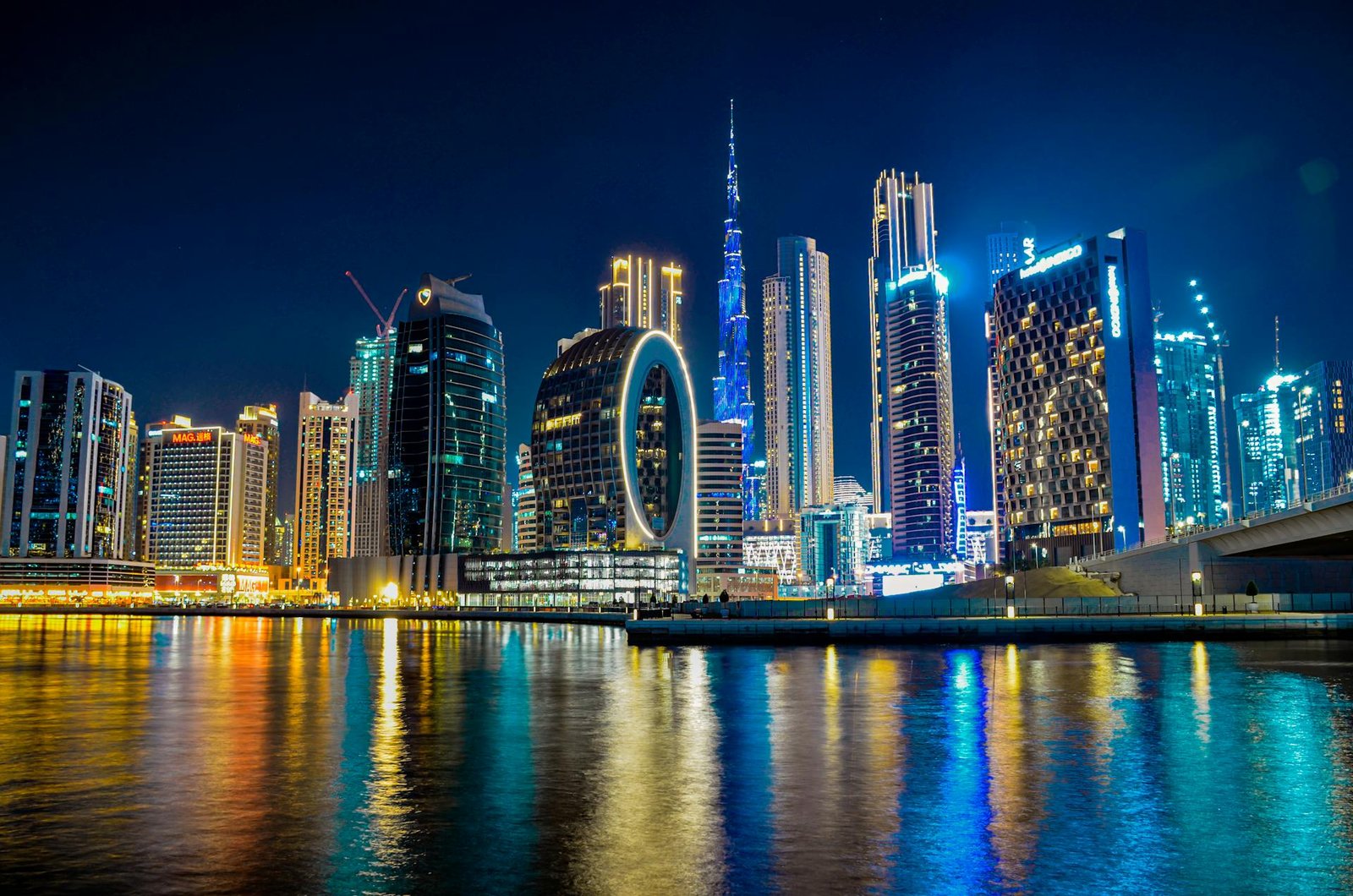
Gulf infrastructure is defined by projects of unprecedented ambition — NEOM ($500 billion), The Line (170km linear urban development), Qatar Lusail City ($45 billion), Masdar City expansion. Infrastructure remains the most capital-intensive, longest-duration, and most politically mediated asset class in institutional portfolios — where the advisory capability that determines outcomes is institutional navigation, not financial engineering.
Megaprojects: The Governance Premium
Bent Flyvbjerg's research spanning 16,000+ projects across twenty countries: 90% of megaprojects exceed budget. The Channel Tunnel exceeded budget by 80%. Berlin Brandenburg Airport delivered nine years late at 3x original cost. Australia Snowy 2.0 escalated from AUD 2 billion to AUD 12+ billion. The pattern is institutional — strategic misrepresentation and optimism bias in project appraisal, not cultural or geographic.
In Sub-Saharan Africa, fewer than 8% of PPP-structured projects reach financial close. Blended finance (IFC MCPP, AfDB Room2Run) addresses capital structure but not governance deficits. Saudi NCP has progressed on standardised PPP frameworks but pipeline reaching close remains below Vision 2030 ambition. Egypt CDS spread persistently above 500bps prices out all but the most risk-tolerant structures.
NEOM & Masdar
NEOM construction workforce exceeds 300,000, but the gap between physical construction velocity and institutional development velocity is the programme's most significant risk. Masdar City, launched 2006 for 50,000 residents — twenty years later, population below 5,000. Masdar produced genuine innovations in passive cooling and building-integrated PV, but demonstrates the gap between technology demonstration and urban viability at scale.
Singapore Smart Nation
Incremental digitalisation of a functional city-state — sensor networks, SingPass digital identity, autonomous vehicle corridors layered onto decades of competent governance. Singapore succeeds because it digitised governance first and infrastructure second. Digital twins operational: Virtual Singapore platform, Helsinki Kalasatama, Port of Rotterdam logistics model. Enabling infrastructure: $15-30/sqm, justifiable only when integrated from inception.
Decarbonising the Built Environment
Heidelberg Materials Brevik — world's first full-scale cement CCUS — captures 400,000 tonnes CO2 annually via Northern Lights JV with Equinor/Shell. CCUS adds $30-50/tonne. Green steel via H2-DRI: SSAB HYBRIT delivered first fossil-free steel to Volvo in 2021. ArcelorMittal, Thyssenkrupp, Tata Steel collectively betting EUR 30+ billion. Japan construction labour crisis (30% workforce lost 2000-2020) drives modular adoption — Sekisui House and Daiwa House produce 10,000+ factory-built units annually.
"Infrastructure is not built by capital alone. It is built by institutions — and the most consequential advisory is making institutions capable of absorbing the capital that exists."
The $15 trillion deficit is not fundamentally a financing problem; it is a governance problem manifested as a financing outcome. Our role is to build the institutional architecture that makes infrastructure capital deployable — and to ensure that every dollar deployed generates the economic, social, and environmental return that the scale of the global infrastructure challenge demands.
Sub-Sectors
Build the institutions before breaking ground
Sovereign infrastructure strategy, PPP structuring, megaproject governance.
Engage Our Infrastructure Practice