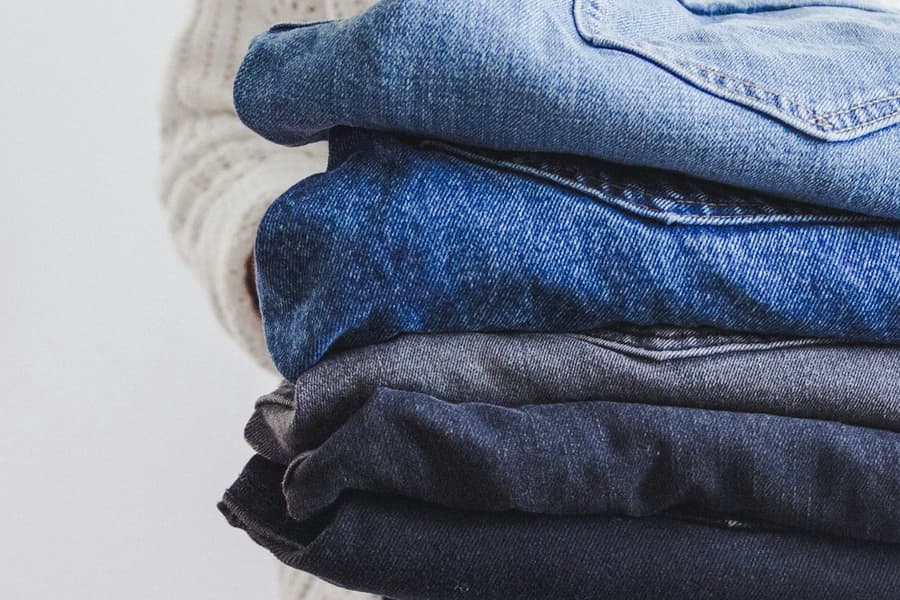
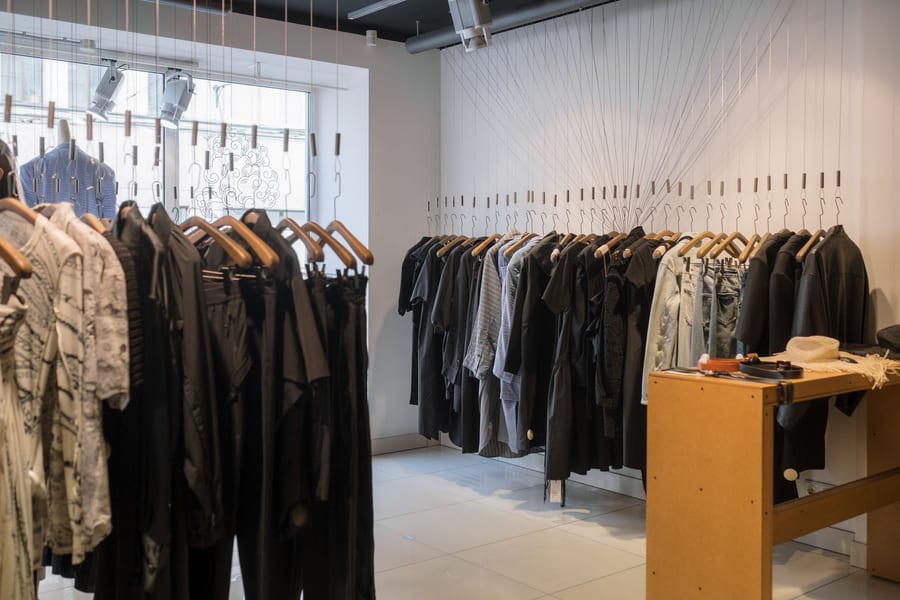
A retailer that sells both branded and own-label products is running two businesses inside one shop. To the customer it looks like one shop. The economics are not, and treating the two as interchangeable produces decisions that suit one and damage the other. The retailers that compound are the ones who hold the difference clearly in mind.
Branded product compounds through the customer relationship. The product carries a name the customer already trusts, and the retailer's job is to deliver that experience consistently at the price the brand has set. The margin is thinner, because the brand takes its share, and customers return because you stock what they are loyal to.
Own-label compounds through margin. The product does the same job as a branded alternative at a lower price, and the retailer keeps the share the brand would have taken. Customers return because they have been persuaded that the own-label version is genuinely good enough, which is a promise the retailer has to keep every time, because there is no brand to blame.
The arrangements that fail try to do both things in the same category, for the same customer, on the same shelf. The branded product makes the own-label look cheap, the own-label makes the branded product look overpriced, and the customer drifts to whichever is discounted this week. Neither margin survives that for long.
The arrangements that work separate them. Branded product occupies the categories where customers are loyal and willing to pay for it. Own-label occupies the adjacent categories where customers care about value and the retailer can credibly stand behind the quality. The customer sees a coherent shop, and the retailer earns from both models without one undermining the other.
There is a practical test before starting an own-label line. Ask who will answer for the quality when something goes wrong, because with a branded product the manufacturer carries that and with your own name on the packaging you do. Businesses that add own-label to capture margin, without also adding the quality work, usually discover the cost in customer service rather than in the margin they were chasing.
Our own position is narrow. We run one consumer brand, wearon.co, and we do not operate own-label lines, so our view of this comes from the buying side and from advising retailers rather than from running a mixed shelf. Where a client is weighing it, the question we start with is not the margin. It is whether the business is ready to own the complaints.
There is a sequencing point worth adding. Own-label works best once a retailer already knows which categories its customers trust it in, because that trust is what a customer lends to a product carrying the shop's name. Starting with own-label before that trust exists asks customers to take a risk on two unknowns at once, which is a slow way to learn an expensive lesson.