
Textile TradeService
Trade and Export
A deliberately small trade book, with new clients accepted selectively and on long terms.
Kaelo Global is a Dubai company licensed in Meydan Free Zone, with over 100 clients served so far.
At a glance
What it is
The trade book is small because growing it quickly would make the standards that earned it impossible to keep.
A principal, Kaelo Global textile trade
Our textile trade serves a deliberately small number of clients, and some of those relationships have run for many years. We do not market the trade book. It grows through introductions and through doing the work well, which means new clients are added when there is room to serve them properly.
A textile export supplier relationship lives or dies on consistency: the same quality from one lot to the next, honest lead times, and terms both sides can hold to when a cycle turns difficult. We agree allocation, lead time, quality standards, payment and renewal terms in writing at the start, so the relationship does not depend on who happens to be in the room.
The desk buys and sells on its own account, sourcing cloth from mills in India, Indonesia, Japan and Malaysia and shipping into the United Arab Emirates and onward markets. We own no factories, and we do not act as an agent for other people's orders.
What's included
Six areas of scopeA long-standing trade book
Client relationships that have been on the books for many years, with allocations, payment terms and quality standards documented and respected.
Selective new business
New trade clients are added only where the operating fit is genuine. The checks run both ways, and the conversation is mutual.
Documented terms
Allocation, lead time, quality, payment and renewal terms set out in writing at the start of the relationship.
Export logistics
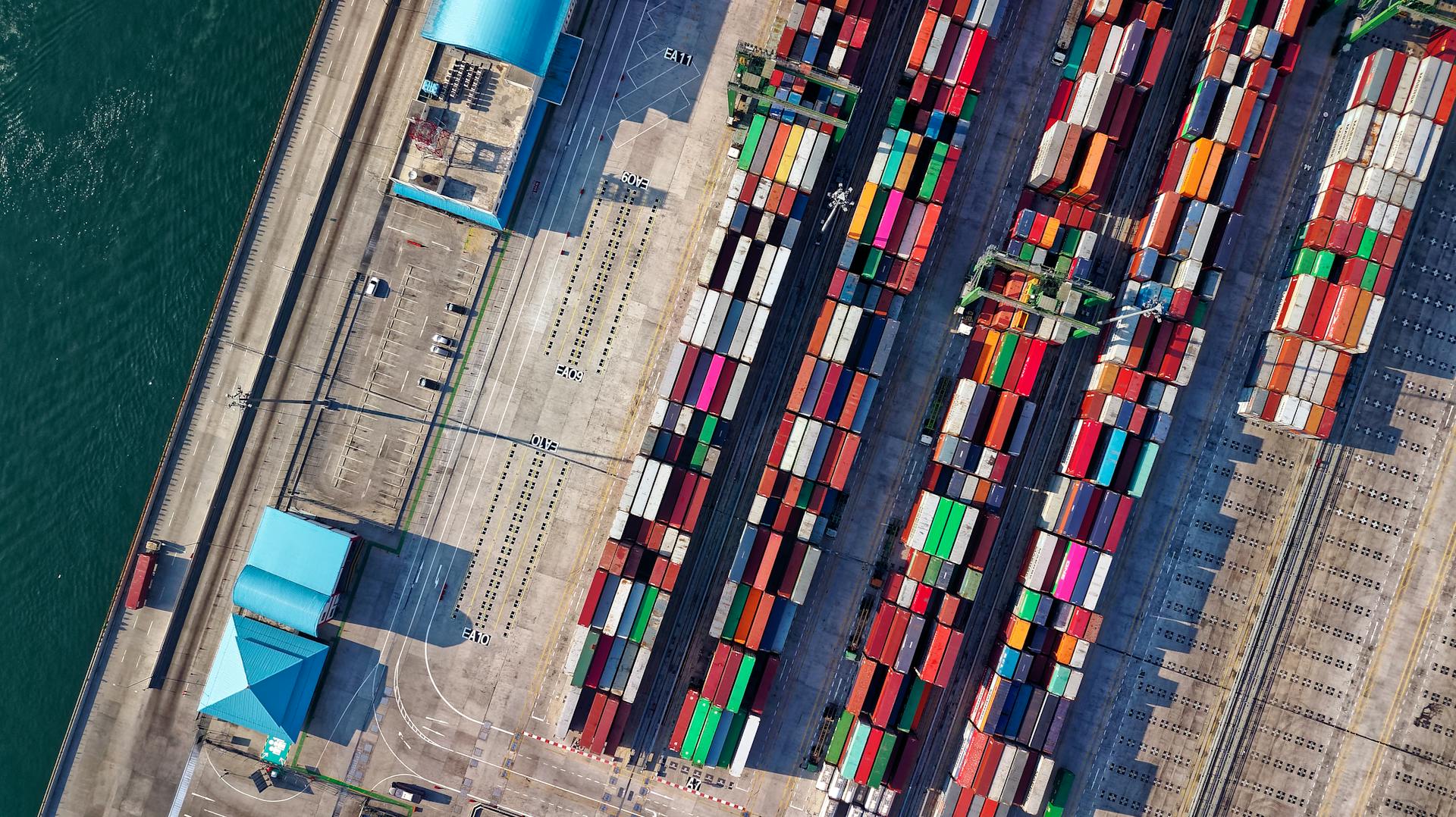
Established lanes from each sourcing origin into the Gulf, Europe, South East Asia and North America, with customs, certification and freight relationships documented for each route. Because the routes are already documented, a repeat shipment does not start from scratch, and a change of season or a change of port does not put an order at risk.
Quality before shipment
Lab dips, strike-offs and pre-production samples approved before bulk production begins, and inspection levels chosen for the order instead of for appearances.
Landed cost, not just unit price
Cost understood from the factory gate through to arrival, including freight, duty, handling and the charges that appear when a container waits, so a good price does not disappear on the way.
How the work runs
An introduction in writing
Trade enquiries are read by the desk directly, and we reply whether or not there is a fit.
Checks on both sides
A documented period in which both sides test the fit, covering capability, terms and how each business handles a problem when one arises.
Terms agreed at the outset
Allocation, lead time, quality, payment, dispute handling and renewal terms written down at the start, so the arrangement survives changes of staff on either side.
Export logistics set up once
Lanes, customs and certification routes documented for each market, so repeat shipments run the same way every time.
When to come to us
- 01You are an existing trade client renewing or expanding a programme with the desk.
- 02You are exploring a new trade relationship and an introduction has been made by someone we already work with.
- 03You are a counterparty, such as an auditor, a regulator or a bank, who needs documented context on the trade book for a stated purpose.
- 04You run a supply, freight or finishing business that would sit alongside the work the desk does.
What we do not do
- Marketing the trade book. It grows by introduction instead of outreach.
- Pure commodity trading for the largest available volume. The categories are limited to those we understand well.
- Trade finance arrangements. This is operating trade, and financing sits with your bank.
- Keeping unsuccessful trial relationships beyond the agreed test period.
The trade book is small by design.
We prefer relationships that build over time. New clients are added when there is room to serve them properly, instead of when the order book has space to fill.
Long relationships are most of the book.
Most of the clients on the books today have worked with the desk for many years. Those relationships lasted because each side knew the other would stay through difficult cycles, and that is the standard new relationships are measured against.
Common questions