 Write to usWrite to us
Every note is published under one byline, the Kaelo Global editorial desk. Each piece is written by someone who works on the topic and is checked by the principal responsible for it. We keep individual names off the site, as we do for our clients.
Use the topics below to find the notes that matter to you. If there is a subject you would like us to write about, please let us know through the form at the bottom of the page.

Beauty and personal care reward operators willing to build over years instead of quarters. The economics that separate the brands that last from the ones that spike.
Read the note Advising on AI without selling itWe help operators judge, pilot and buy AI, and we sell no software and take no commission. The boundary is deliberate, and it is what makes the advice worth having.
 Brand identity for a private company: designing for restraintA private company's identity has to do its work without doing too much. The design discipline that earns trust instead of overstating the business behind it.
 Branded and own-label products in one shop: when each compoundsA retailer selling both branded and own-label products is running two businesses in one shop. The economics differ, and treating them as the same damages both.
 Search became a commodity. Trust did not.AI answers are rearranging how businesses get found. What they cannot rearrange is why a buyer, once they arrive, decides to believe you.
 ESG disclosure for a private firm: the case for publishing anywayPrivate firms have no obligation to publish environmental or social data. The case for doing it voluntarily, and the discipline that makes the disclosure useful.
 Sourcing textiles from Malaysia: the right place for the right productMalaysia's textile base earns its place for particular product profiles. The strengths, the limits, and where it sits in a footprint spread across several countries.
 Writing without bylinesEverything here is published under one voice and no names. That is not modesty. It is a policy, and it changes what gets written.
 Deciding which brands carry the parent's nameFor a company running several brands, deciding which ones publicly carry the parent's name is a commercial choice. Three tests that produce a decision you can defend.
 Our own brand keeps us honestwearon.co is not a case study. It is where every piece of advice we give is tested first, with our own stock and our own money.
 Revenue structuring against growth advice: the framing that produces better workMost requests for help with growth are really requests to restructure existing revenue. Getting the framing right at the start saves an expensive change of direction.
 Earning a readership instead of buying oneWriting that earns attention does so through specificity rather than frequency. The editorial disciplines that build the asset, and the ones that quietly erode it.
 Own-label products: extracting margin or building a brandOwn-label products can be a way of taking margin from a branded competitor, or a brand in their own right. The two are run differently, and mixing them fails.
 The quiet first monthThe most useful thing an adviser can do in the first month of an owner-led engagement is listen, and resist the urge to be impressive.
 Performance marketing for a brand you also runBuying advertising for a brand your own team operates is different from buying it for a client. What that access changes, and the trap it creates.
 Making closer to home or further away: the arithmetic past the rhetoricMoving production closer to the customer has been discussed for years. When the arithmetic actually favours it, and when it quietly does not.
 How to read a millCertificates tell you what a mill wants you to know. The yard, the loom shed and the way claims get settled tell you the rest.
 What a private company should disclose voluntarily, and what it should notA private company has no obligation to publish its numbers. The case for disclosing some things anyway, and the discipline of deciding what stays private.
 Speciality food brands: slower, smaller and more durableSpeciality food runs on different economics from mainstream consumer goods. Slower sales, better margins and longer horizons, and the discipline that protects them.
 The operating numbers before the media planWe ask to see the operating numbers before we talk about media. It is the least popular request we make, and the most useful one.
 Designing a structure that outlasts the person who built itA corporate structure designed around one founder rarely survives the second generation. The principles that produce arrangements which age well.
 How to write a press release you can defendA press release is one of the few documents a company cannot revise afterwards. The standard it should clear before anyone sends it.
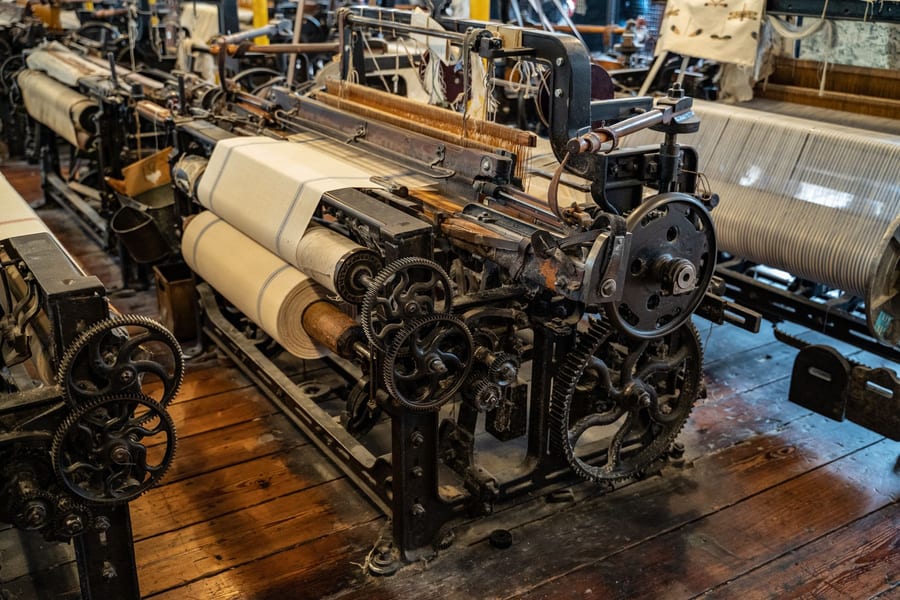 Indonesian garment manufacturing: the advantage and the limitsIndonesia's garment base has specific advantages and specific limits. How a buyer should think about it as one origin among several.
 Crisis communications for a private firm: the discipline of saying less, in writingA private firm handling a crisis works to different rules from a listed company. The discipline of restraint, and the moments when it stops applying.
 Sustainable garment manufacturing: what to ask for beyond the certificateA certificate on a factory wall does not by itself prove much. The operating evidence that does, and what a buyer should ask to see.
 What to publish when you cannot name your clientsA private firm cannot publish client case studies, personal profiles or revenue figures. What is left is the way it works, and that is more than enough material.
 Direct-to-consumer unit economics: the three lines that decide whether to scaleA direct-to-consumer brand lives or dies on three lines: contribution margin, how long acquisition takes to pay back, and repeat purchase. What good looks like.
 Quiet brand against loud brand: the economics beneath the marketingQuiet brands and loud brands run on different economics. The choice is not a matter of taste, because it decides acquisition cost, retention and the customer relationship.
 Cotton to garment in one chain: when the arithmetic worksOwning the chain from cotton to finished garment repays the investment for some products and destroys it for others. The questions to answer before committing.
 What a weekly leadership meeting does in practice: a working noteHow a weekly leadership meeting actually runs, what it decides, what it deliberately refuses to decide, and why the rhythm matters more than the format.
 Managing a consumer range: when to add products, when to consolidate, when to walk awayConsumer ranges live or die on three decisions: the discipline to add, the timing of consolidation, and the willingness to leave a category that no longer fits.
 A weekly leadership meeting against a board: the practical differenceA weekly leadership meeting is not a board. The rhythm, the decision rights and the distance from daily work are all different, and each suits a different business.
 Integration in an apparel supply chain: what it actually buysIntegrated supply chains promise control. The reality is narrower, because integration earns its place in how it behaves when a stage fails.
 Naming a brand publicly or keeping it quiet: when each is rightWhether a brand carries the parent company's name in public is a decision worth making deliberately, and worth reviewing, instead of inheriting it from a launch.
 Repeat purchase rate against acquisition cost: the number that decides a brand's economicsFor a consumer brand that earns its money from people coming back, acquisition cost is the second question. Repeat purchase is the first, and the order matters.
 Multi-industry governance: keeping four activities coherent from one officeHow a business with several activities stays coherent: where decisions sit, what gets written down, and what changes when the activities trade with each other.
 Written enquiry against live meeting: the discipline that respects everyone's timeWhy asking for an enquiry in writing first produces better decisions, better records and more useful relationships than a calendar full of exploratory calls.
 Building your own consumer brand: the team question comes before the brand questionThe hardest part of building your own consumer brand is not the brand. It is the team that has to be in place before the brand can survive its first eighteen months.
 In-house team against external agency: when each one is the right callThe choice between an in-house team and an external agency is not a marketing decision. It is an operating one, and the right answer depends on how the brand earns.
 Textile manufacturing in India and China: the comparison a buyer actually needsA buyer's comparison of textile manufacturing in India and China, covering cost, scale, quality and integration, and an honest note on where our own buying sits.
 Quiet luxury: the strategy beneath the lookQuiet luxury as a brand strategy is not a visual choice. It is an operating commitment that has to be defended at every decision about margin.
 Choosing a garment manufacturing partner: what buyers should actually checkBeyond the factory tour, the practical checks a buyer should make before committing to a garment manufacturing partner for more than one season.
 Advice from people who have run the business: what changes by the third meetingThe difference between advice from career consultants and advice from people who have operated, and why it becomes obvious by the third meeting.
 Several brands under one roof: when to add, when to hold, when to retireHow a brand earns its place in a group: the discipline to add one, the discipline to hold one, and the discipline to retire one. Three decisions that decide the returns.
 Marketing for businesses that ship product every dayAn operator's view of agency work: why we run marketing as one line of accountability, and the kind of brief that does not work here.
 Why we do not publish a client listDiscretion as a structural choice: no client list, no logos, no founder profiles, and why the people we most want to work with prefer it that way.
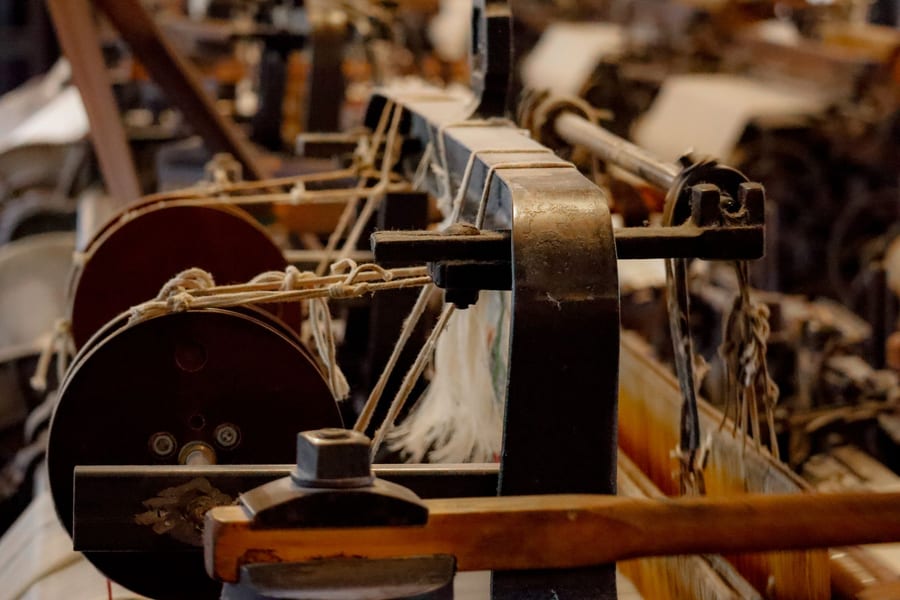 Four sourcing origins, decades onThe case for buying from more than one country: what it costs to run, what it protects against, and what the habit taught the rest of the business.
47 notes in the archive